
Fixing early drop-offs to improve week one retention by 27% and drive ₹55 Cr in trading volume
Sixer
Mobile
Retention
Users were signing up, but dropping off after their first trade. We redesigned the early journey to reduce friction, build trust, and improve week one retention.
Product Context
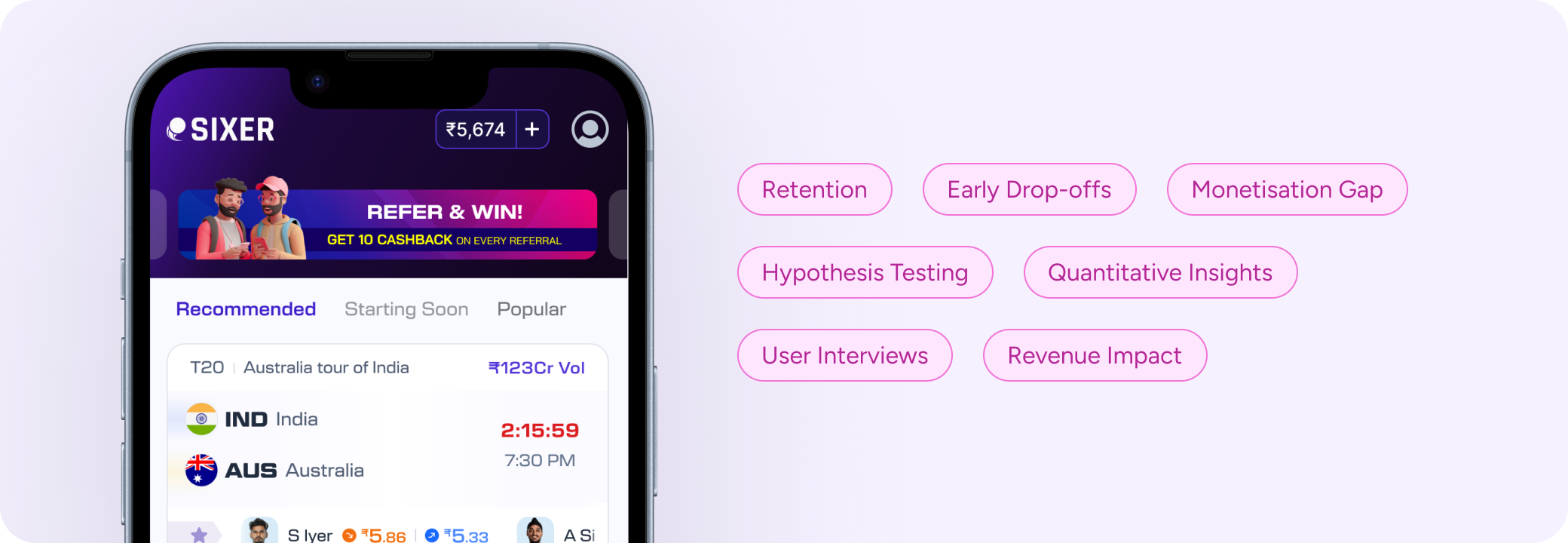
Sixer is a fantasy sports trading platform where users buy and sell player stocks based on expected performance. Unlike traditional fantasy formats, the first-time user journey depends heavily on understanding pricing, outcomes, confidence, and wallet movement early in the experience.
The Problem Statement
A large number of users were dropping off within the first week. Users were completing onboarding but not returning after their first trade, failing to build confidence in the product early.
- Users were not dropping due to losses alone.
- Many churners still had money left.
- Flat outcomes were more dangerous than small losses.
- They were dropping due to lack of confidence and unclear outcomes.
Validating the assumption through multiple lenses
Quantative data
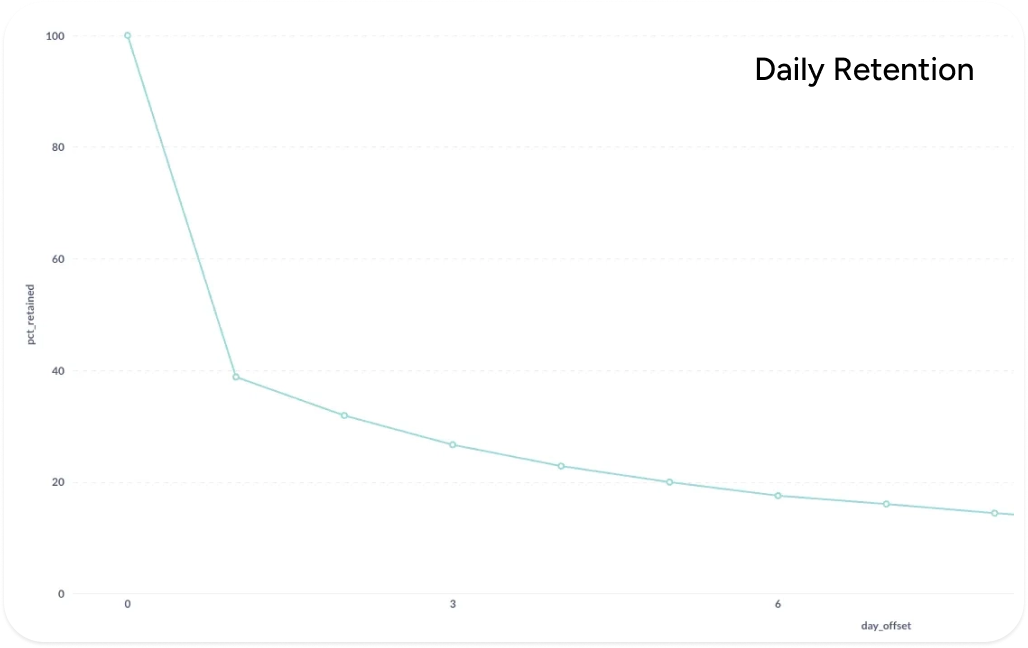
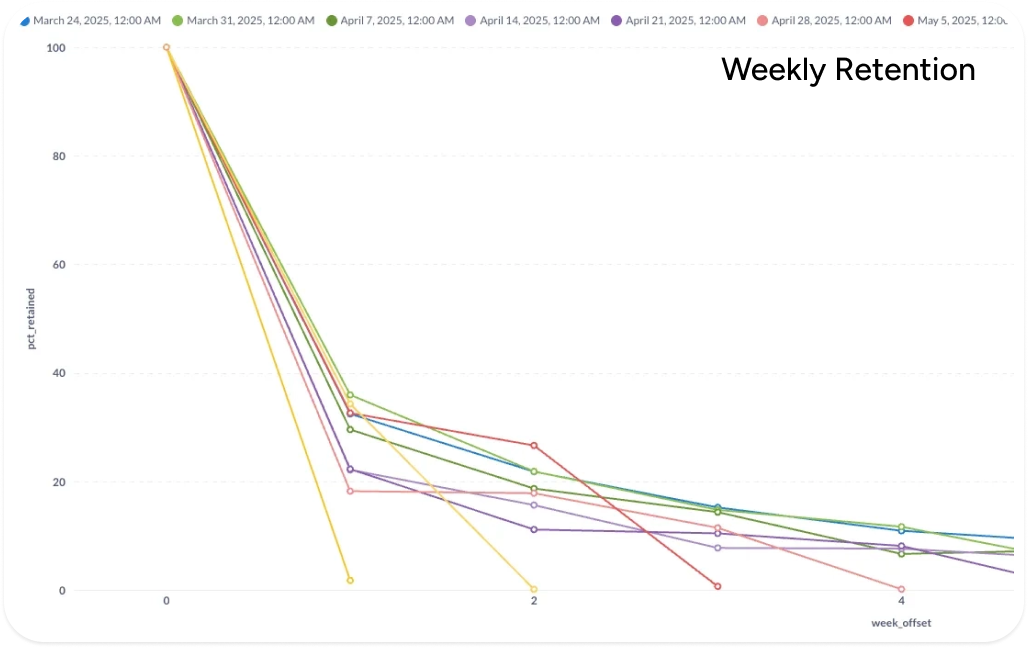
We analyzed IPL cohort retention and found that the biggest drop was happening after users completed their first trade participation. The highest-risk inactivity window sat within the first 3 to 7 days.
Wallet and RTP analysis
Cumulative profit influenced comeback behavior more than single outcomes.
Behavioral analysis
Many week-one churners still had wallet balance left, showing the issue was not just money exhaustion, but also low confidence and weak motivation to return.
Competitive and lifecycle inputs
We reviewed competitor retention flows and lifecycle nudges to understand how stronger post-trade reinforcement could improve repeat engagement.
Findings
- Users were not dropping due to losses alone.
- Many churners still had money left.
- Flat outcomes were more dangerous than small losses.
- They were dropping due to lack of confidence and unclear outcomes.
Design Principles
Reduce cognitive load in the first session
Make the first action obvious and confidence-building
Build trust before asking users to commit
Final Solution
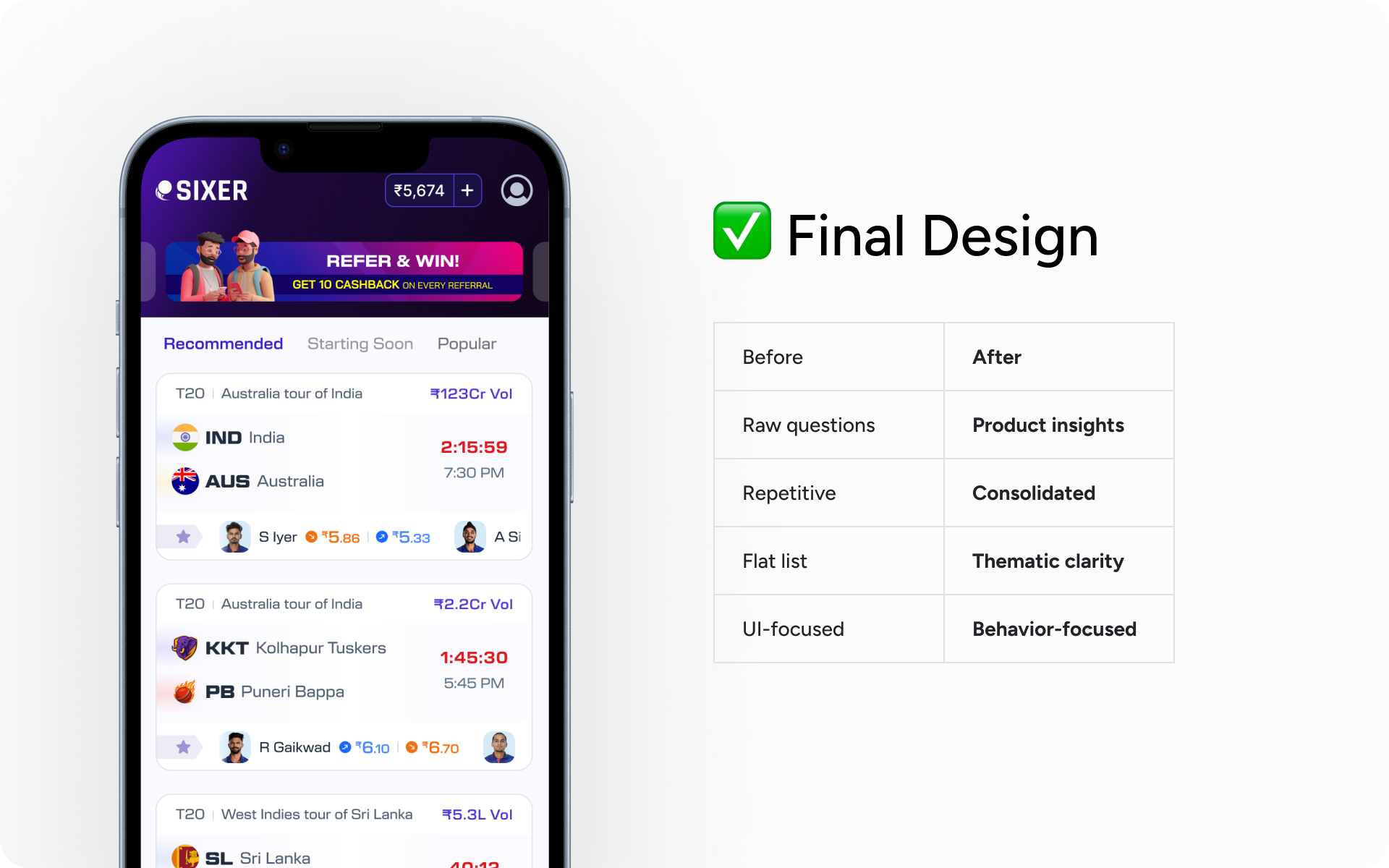
We approached the retention problem through three focused interventions: discovery, trust, and lifecycle reinforcement.
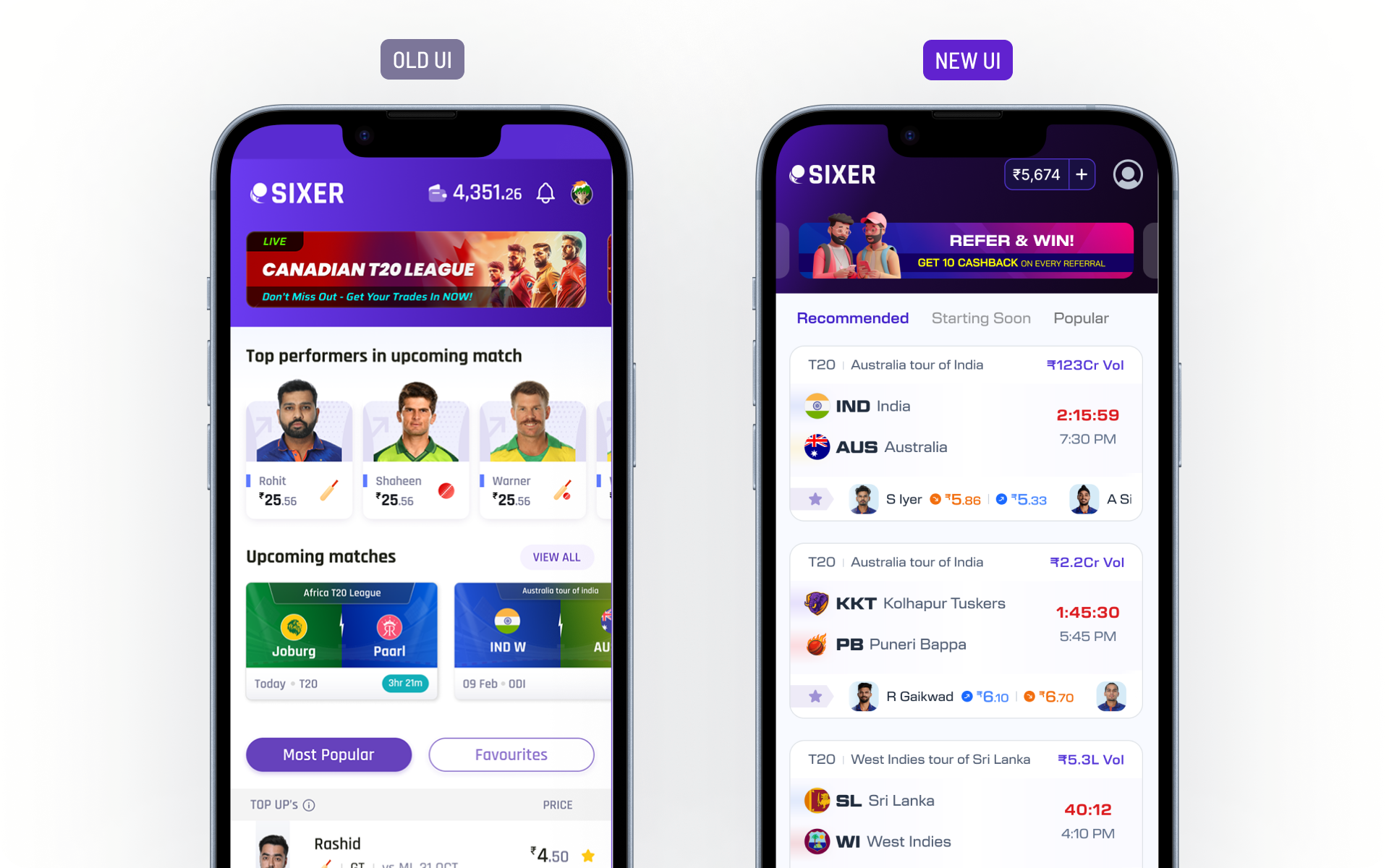
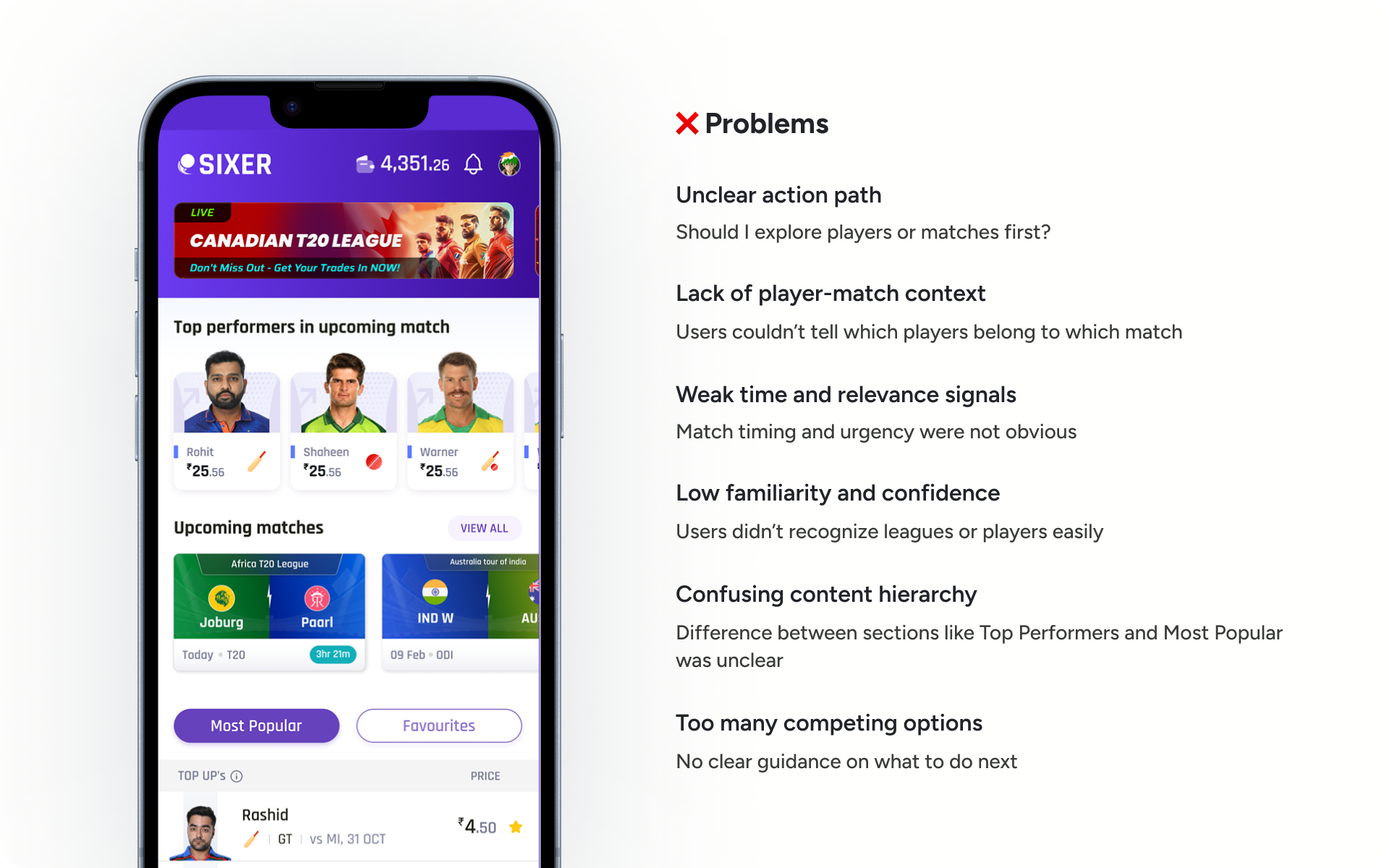
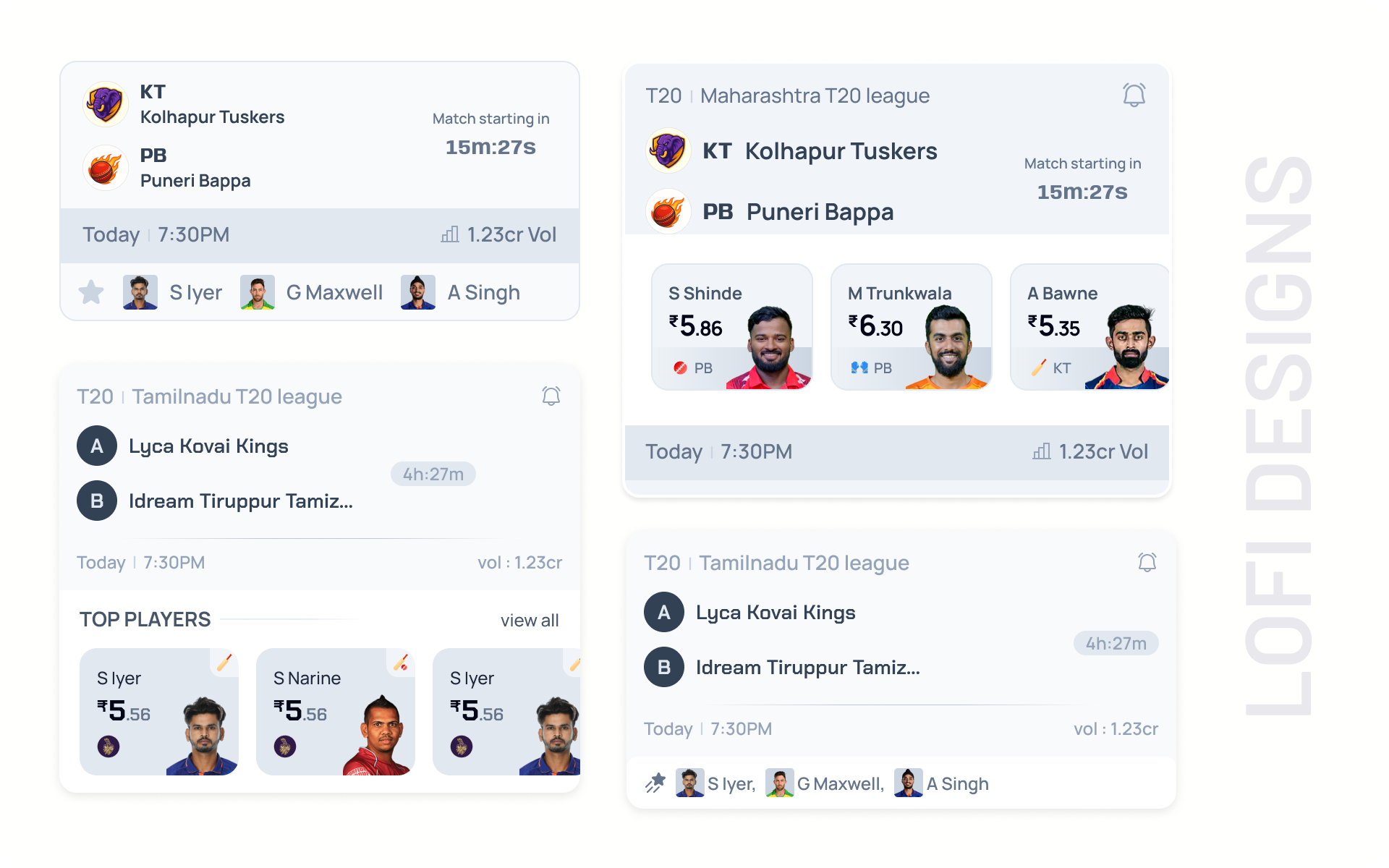
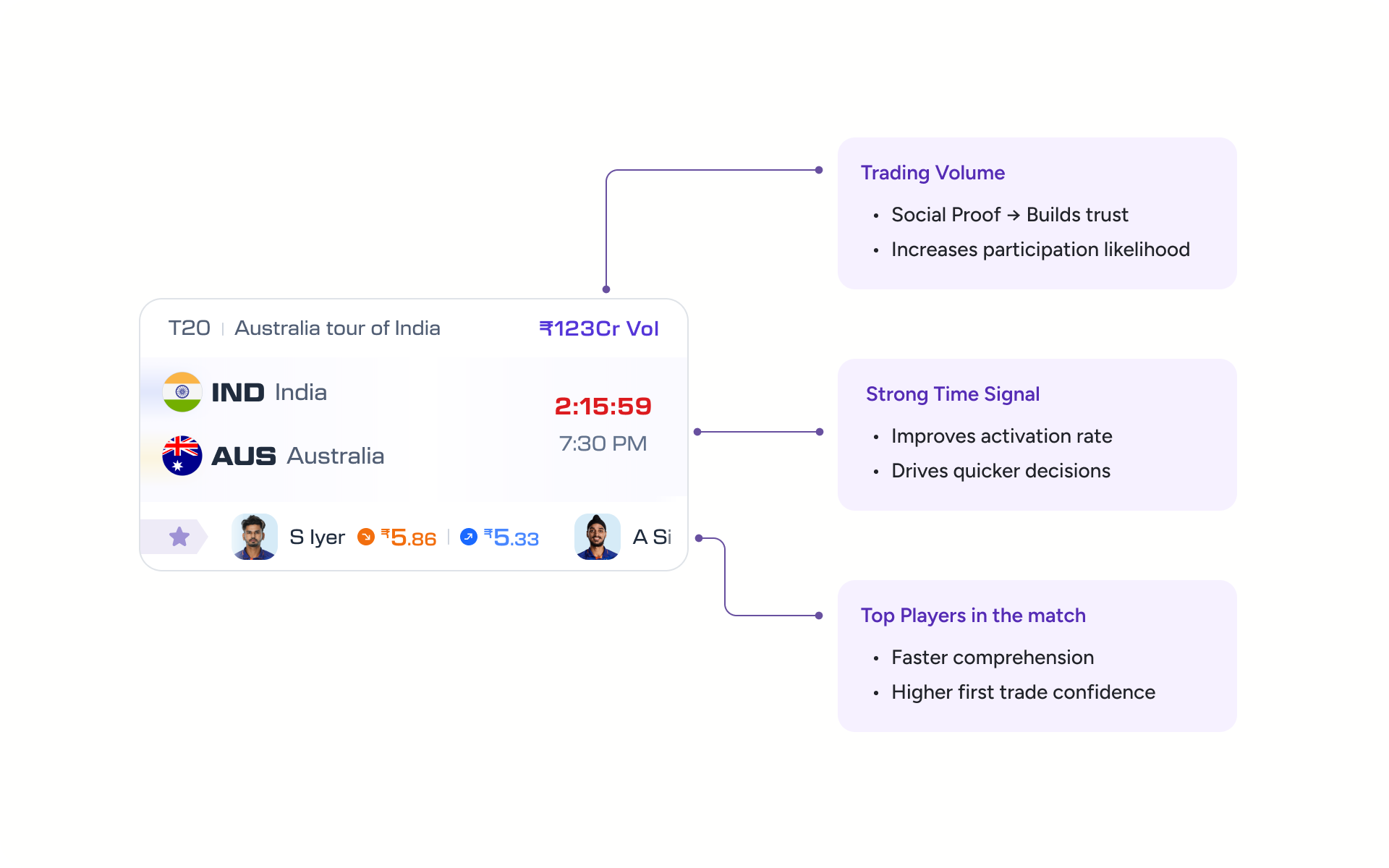
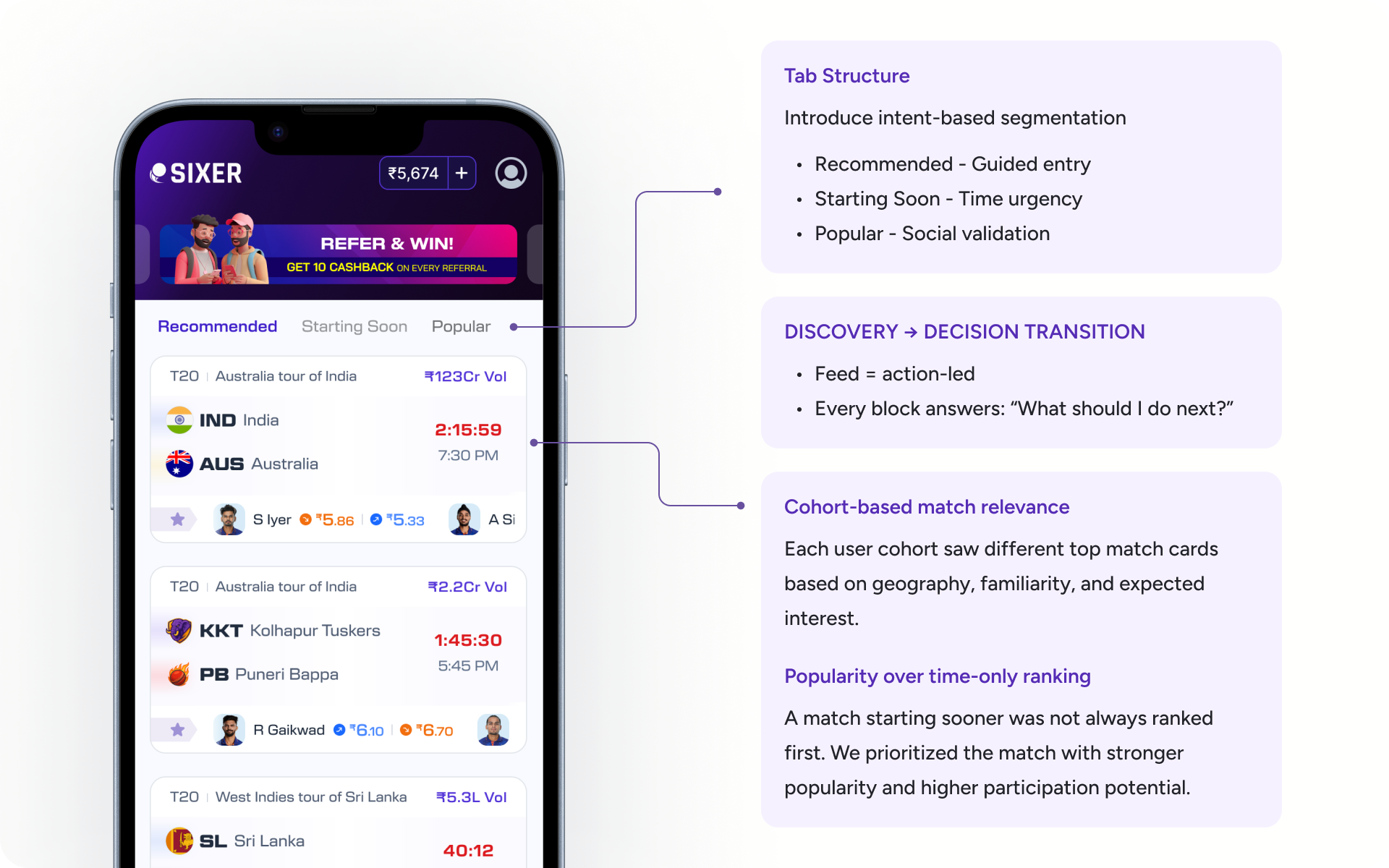
Improve home discovery and player recommendation
- Made relevant matches and players easier to discover, reducing friction and accelerating first trade decisions
Better trust communication
- Clarified wallet movement, returns, and outcomes to reduce ambiguity and build confidence after each trade
Lifecycle communication
- Added early retention nudges and comeback triggers to support repeat engagement during the highest-risk churn window
Outcome and Metrics
The redesign improved both activation and trading health.
Week 1 Retention increased by
27.2%

Repeat trade rate increased by
+34%
Monthly trading volume increased by
+55 Cr
Conclusion
By improving the early experience, we helped users move from confusion to confidence, driving stronger retention and better engagement. The solution was released alongside a broader UI refresh, but the retention gains came from focused product changes.